
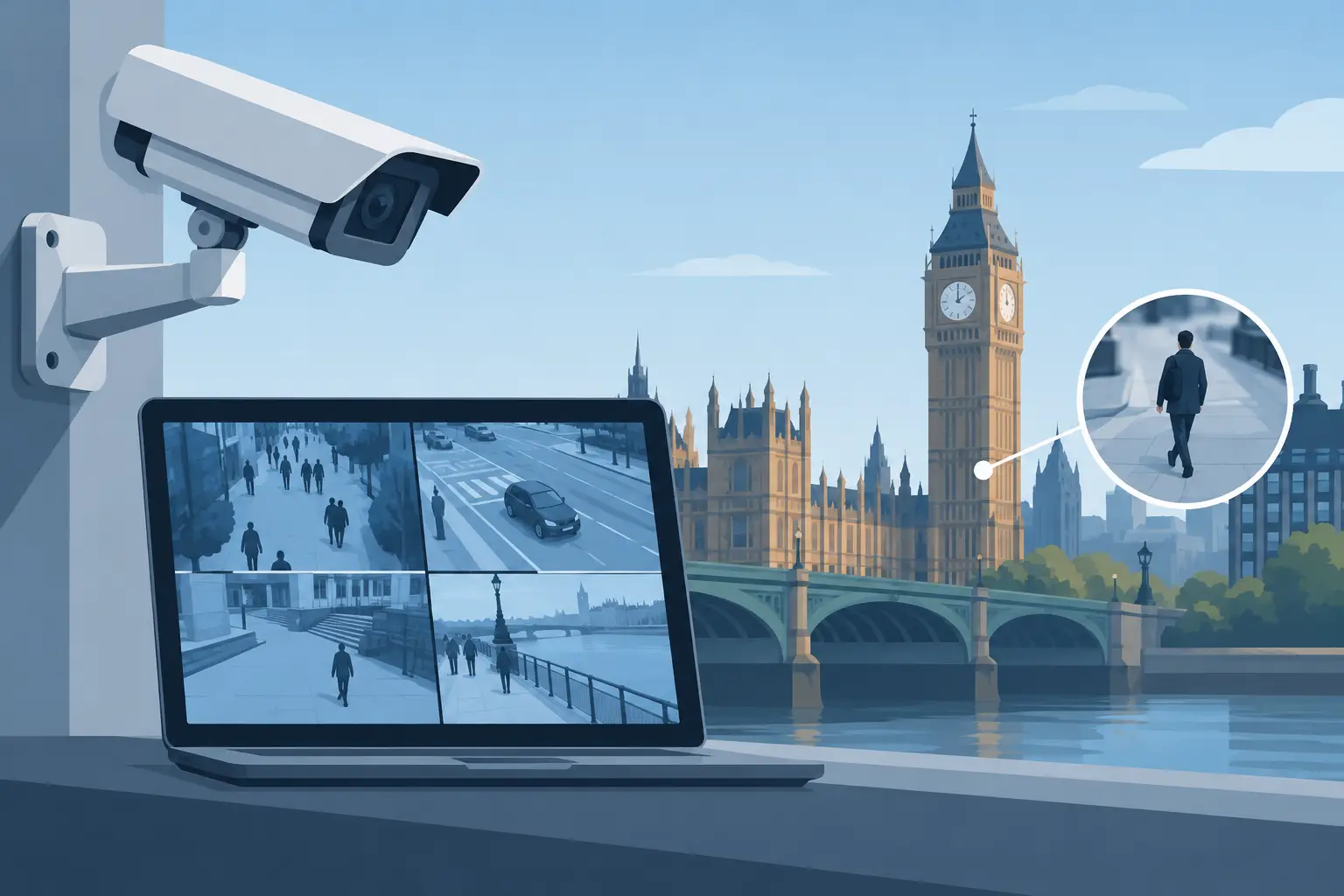
England Surveillance Services for Clear Evidence

Uncertainty has a way of escalating. A missed shift becomes a pattern, a supplier’s explanation does not match the facts, or a partner’s behaviour leaves questions that cannot be answered through conversation alone. England surveillance services provide a discreet way to establish what is actually happening, replacing suspicion with clear, professionally gathered evidence.
The purpose is not to speculate or intrude. Proper surveillance is a focused investigative tool, used where there is a legitimate reason to verify activity, movements, associations or conduct. For private clients, that may mean resolving a deeply personal concern. For employers, insurers and organisations, it may mean protecting the business from loss, misconduct or a false claim.
When England surveillance services are appropriate
Surveillance is most effective when there is a specific question to answer. Vague concerns can be discussed during an initial consultation, but a sound investigation needs an objective. It might be whether an employee who is absent from work is undertaking physically demanding activity elsewhere, whether a claimant’s reported limitations are consistent with their day-to-day actions, or whether a person is meeting someone they have denied knowing.
The evidence gathered can help a client decide what to do next. In a corporate matter, it may support a fair disciplinary process, an insurance decision or a wider fraud investigation. In a private matter, it may bring the clarity needed to have an informed conversation, seek legal advice or simply stop living with unanswered questions.
Surveillance is not always the right starting point. A background check, person trace, vehicle tracking solution or an absenteeism investigation may be more proportionate depending on the circumstances. A professional investigator should explain the options rather than recommend activity that does not serve a clear purpose.
What a professional surveillance operation involves
Effective surveillance is planned, patient and adaptable. It is not a matter of following a person at random and hoping for a result. Every instruction should begin with an assessment of the information available, the required outcome and the legal and practical boundaries of the work.
Defining the brief
A clear brief identifies the subject, relevant locations, known vehicles, likely routines and the period in which activity is most likely to occur. It also establishes what evidence would be meaningful. If the issue concerns suspected outside employment, for example, the investigation may need to document dates, times, locations and the nature of any work observed rather than merely confirm that the subject left home.
This stage protects the client as well as the investigation. It keeps the enquiry proportionate, controls costs and ensures the investigator is working towards facts that can be properly assessed.
Discreet deployment and observation
Experienced operatives use observation techniques appropriate to the environment. A busy town centre, rural location, business park and residential street each present different challenges. The work may involve mobile surveillance, static observation or a combination of both, with resources adjusted when the subject’s movements require it.
Discretion is essential. If surveillance is detected, the subject may alter their behaviour and the opportunity to obtain an accurate picture can be lost. Investigators with ex-Military or Police backgrounds bring operational discipline, situational awareness and the ability to make calm decisions when plans change.
There is also a practical trade-off. A short deployment may be sufficient where a pattern is already well established. In other cases, a longer period is necessary because activity is irregular or the subject’s routine is unknown. Honest advice about that uncertainty is more valuable than a promise of instant results.
Evidence that can be relied upon
A professional report should set out the facts in a clear chronology. Depending on the instruction and what is lawfully obtained, it may include time-stamped observations, photographs, video and details of relevant movements or associations. The report should distinguish observed facts from assumptions.
For employers, insurers and legal representatives, quality matters as much as the result. Evidence must be accurately recorded and capable of being explained if challenged. A report that simply makes allegations is of limited value. One that documents who observed what, where and when gives the client a far stronger basis for a decision.
Personal and corporate cases require different care
Personal surveillance often involves emotionally difficult circumstances. Concerns about infidelity, the welfare of a family member or the honesty of someone close can leave clients feeling anxious and exposed. Discretion includes the way the case is handled: communications should be confidential, direct and sensitive to the fact that the findings may be upsetting.
Corporate instructions tend to focus on risk, fairness and evidential standards. An employer investigating suspected sickness absence abuse must avoid acting on rumour alone. An insurer considering a potentially exaggerated claim needs information that is relevant to the claim, not a broad account of a person’s private life. In both settings, surveillance should be targeted and necessary.
The Lancer Group approaches these cases with the same objective: obtain reliable intelligence quickly, protect confidentiality and provide the client with information they can act upon. A prompt response is particularly valuable when a suspected activity is time-sensitive or likely to stop if it is challenged too early.
Lawful and proportionate surveillance matters
Private investigators do not have special powers to ignore privacy, trespass or data protection requirements. Surveillance must be conducted lawfully, with respect for the circumstances of the case and the rights of those involved. The work should never extend to entering private premises without permission, harassment or methods that are unlawful.
The appropriate approach depends on the purpose of the investigation, the client’s relationship to the matter and the proposed method of obtaining information. Businesses also need to consider their own employment policies and data protection responsibilities before commissioning an investigation. Where legal proceedings, family disputes or employment action are likely, early legal advice may be sensible.
A reputable provider will be open about these limits. Discretion does not mean acting without accountability. It means conducting an investigation carefully, sharing information only with those who need it and avoiding unnecessary exposure for everyone involved.
Choosing a surveillance provider
The right investigator will ask practical questions before discussing deployment. They should want to understand the issue, the evidence already held, the urgency and the outcome you need. Be cautious of anyone who guarantees a particular finding or gives a fixed answer before assessing the facts.
Experience, reporting standards and availability all matter. A case may develop outside office hours, particularly where a subject works shifts, travels frequently or changes routines. Nationwide capability is useful when activity may move between locations, but local knowledge and sensible planning remain equally important.
Ask how updates will be handled, what form the final evidence will take and how costs will be managed if the initial intelligence proves incomplete. Clear communication prevents surprises and helps you remain in control of the instruction.
When doubt is affecting a personal decision or exposing a business to risk, waiting rarely makes the position clearer. A confidential conversation with an experienced investigator can establish whether surveillance is justified, what can realistically be achieved and the most careful route to the facts.


Comments