
Can You Sweep for Bugs? What a Proper Check Finds

A phone that suddenly loses charge in one meeting room. A confidential discussion that appears to be repeated elsewhere. An unfamiliar device, cable or ceiling fitting in a private space. These are the moments people ask: can you sweep for bugs yourself, and will you know if you have found the real problem?
You can carry out basic checks, but a credible bug sweep is far more than looking for a hidden microphone. Modern surveillance can be small, intermittent, remotely activated or built into ordinary equipment. A proper technical surveillance counter-measures inspection is designed to establish facts discreetly, protect legitimate privacy and avoid the false reassurance that often follows a quick search.
Can You Sweep for Bugs Without a Specialist?
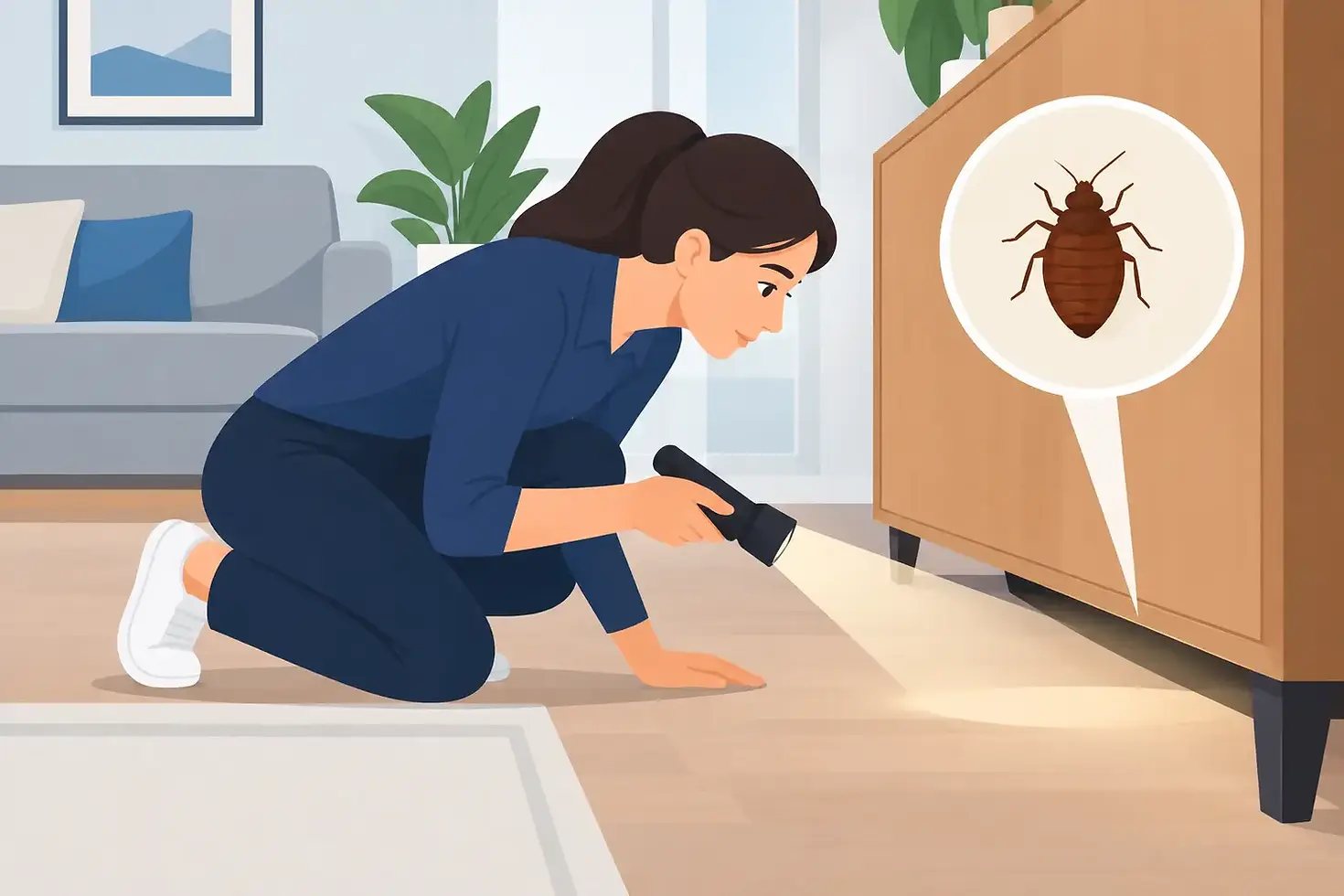
A visual inspection is a sensible first response where you have concerns about a home, office, vehicle or meeting space. Look for items that are out of place, new fixtures that nobody can account for, unexplained wiring, altered smoke alarms, plugs, chargers, decorative objects or power supplies. Check access-controlled spaces for signs that they have been disturbed.
That said, visual checks only identify the most obvious risk. A device may be concealed inside an existing object, fitted behind a wall plate, located in a vehicle trim panel or placed where it has a clear audio path but is difficult to see. Some devices do not transmit continuously, so a basic detector may not register them during a brief scan.
Consumer bug detectors can be useful as an indicator, but they are not proof. Offices, homes and vehicles contain many legitimate sources of radio frequency activity: mobile phones, Wi-Fi routers, Bluetooth equipment, smart devices, vehicle systems, wireless alarms and neighbouring networks. A detector may react to ordinary electronics while missing a device that is dormant, hard-wired or using a different method to store or transmit information.
The trade-off is straightforward. A DIY search may help you spot a clear anomaly quickly, but it can also lead to unnecessary alarm or leave a sophisticated device undiscovered. If the matter involves sensitive commercial information, family safety, legal proceedings or reputational risk, professional assessment is usually the more defensible option.
What a Professional Bug Sweep Actually Involves
A professional sweep is a structured technical and physical examination of the environment. The exact approach depends on the location, the nature of the concern and whether the suspected surveillance is likely to be audio, video, tracking or data-related.
An experienced operative begins by understanding the circumstances. A recently ended business relationship, an employment dispute, a contentious separation or access by contractors can all affect the risk assessment. This context helps focus the inspection without making assumptions about who may be responsible.
The physical inspection is detailed and methodical. It considers the layout of the premises, likely listening positions, access routes, fixed fittings, furniture, electrical points, telecommunications equipment and less obvious hiding places. In vehicles, this may include accessible areas around dashboards, seats, trim, battery compartments and diagnostic connections.
Technical examination uses specialist equipment to identify unusual radio frequency signals, electronic components and concealed transmission activity. The purpose is not merely to find a signal, but to distinguish normal building technology from activity that requires further investigation. A competent sweep also considers devices that do not transmit in real time, including recorders that may need to be physically recovered before their contents can be accessed.
Professional work is careful for a reason. Removing an item without recording its position, condition and connection can destroy useful evidence or create uncertainty about what was found. Where a suspicious device is identified, the appropriate next step depends on the circumstances. It may require preservation, documentation, legal advice or contact with the police.
Signs That Merit a More Thorough Check
No single event proves that surveillance is taking place. Technical faults happen, misunderstandings occur and coincidences can feel compelling during a stressful period. The concern becomes more credible when there is a pattern that is difficult to explain through normal access or ordinary technology.
Examples include confidential details becoming known outside a limited group; repeated interference or unusual behaviour from electronic equipment in a particular location; evidence of unauthorised access; a former employee, partner or contractor retaining keys, passwords or physical access; or a vehicle appearing to be tracked after sensitive movements.
Businesses should take particular care after a dispute, dismissal, data incident or breakdown in a commercial relationship. Boardrooms, private offices, interview rooms and locations used for confidential calls can contain valuable information. The response should be proportionate, discreet and documented. Accusing an individual without evidence may escalate a problem and create its own legal and reputational consequences.
For private clients, the immediate priority is often reassurance. If you feel unsafe, believe someone has entered your home, or think you are being followed, record what you have observed with dates and times. Avoid confronting a suspected person or publicising your concerns before you understand the evidence. A calm, controlled response is more likely to preserve your options.
Do Not Disturb a Device You Suspect Is Present
If you find something that appears suspicious, resist the urge to pull it apart, switch it off or throw it away. It may be harmless equipment, and handling it can remove fingerprints, damage connections or make it harder to establish how and when it was installed.
Photograph the item in place if it is safe to do so, note the time and location, and limit access to the area. Do not attempt to access data, messages or recordings on a device that does not belong to you. Even where your concerns are justified, accessing another person’s communications or accounts can create serious legal difficulties.
The same principle applies to vehicles and work premises. Do not damage panels, wiring or fixtures in an attempt to find a tracker or microphone. Apart from safety risks, unnecessary interference can affect insurance, warranties and any later evidential process.
Choosing the Right Response
Not every concern calls for an immediate full sweep. If an unfamiliar item has an innocent explanation, a discreet conversation with the person responsible for the premises may resolve it. If the concern relates to a single technical issue, an IT or facilities review could be appropriate first.
However, a specialist inspection is justified when the information at risk is sensitive, the suspected access is persistent, or a finding may need to support an internal investigation, civil dispute or police report. Ask what areas will be examined, what type of reporting will be provided, how findings are documented and how confidentiality will be maintained.
For organisations, it is also worth considering what happens after the sweep. Physical security, key control, visitor procedures, Wi-Fi security, password management and staff access permissions may need review. A sweep can establish whether a device is present, but it should also help identify how exposure could be reduced in future.
A Discreet Check Can Replace Suspicion With Facts
The most effective response to suspected surveillance is neither panic nor guesswork. It is a measured assessment that separates normal technology from a genuine intrusion and preserves evidence where necessary.
The Lancer Group provides discreet bug sweep services for private and corporate clients where concerns require a swift, professional response. If something does not feel right, keep the area undisturbed, make a clear record of what you have noticed and seek confidential advice before taking action that could compromise the situation.



Comments